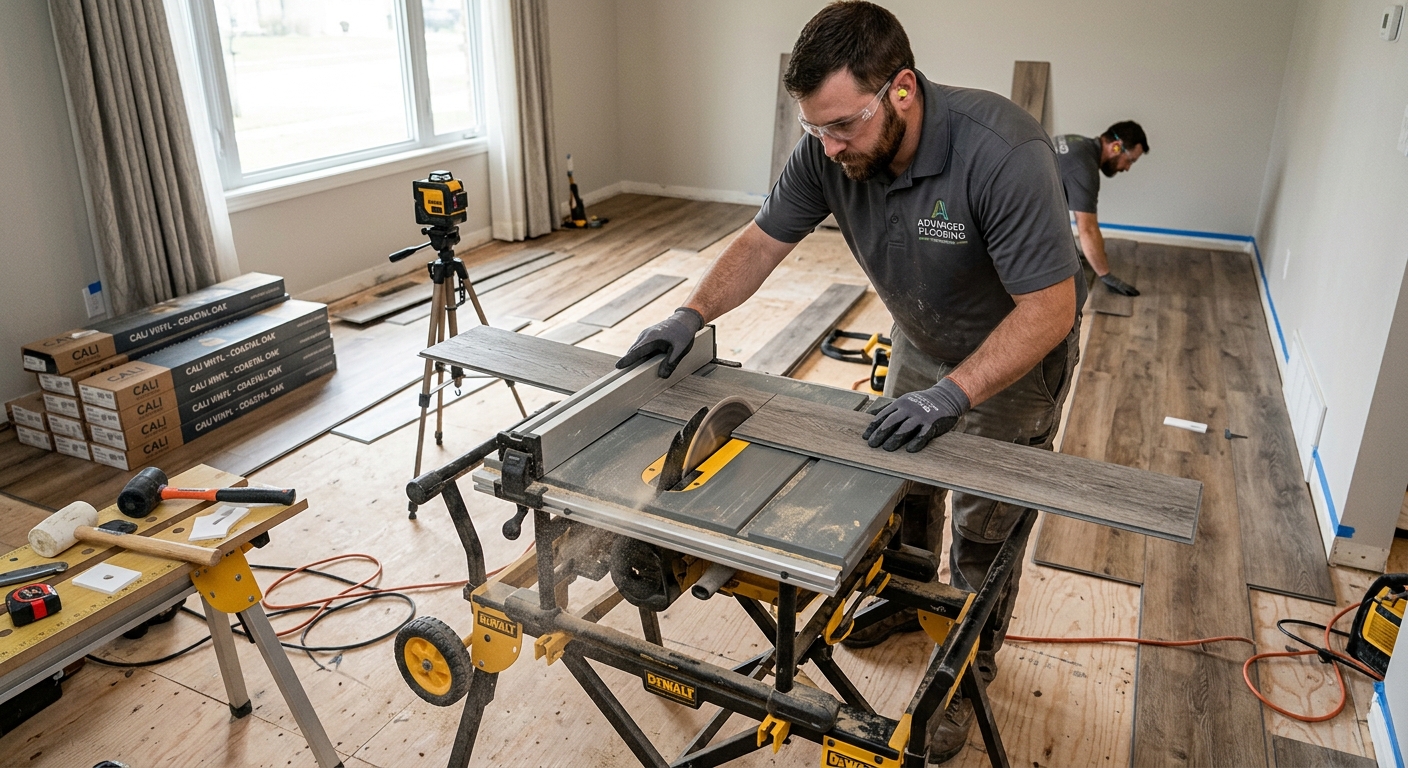
Flooring options and costs in Wexford/Maryvale
Flooring options in Wexford/Maryvale need to work with Toronto-area swings in indoor humidity and frequent older-home prep. With a population of 27,917 (Statistics Canada, 2021 Census), the area draws steady renovation demand, which helps keep contractor availability strong—but it also supports higher labour pricing than smaller Ontario markets. You’ll also see many homes in the 1960s–1990s range, and that housing age commonly brings subfloor challenges like levelling compounds, plywood replacement, or moisture mitigation before the “new floor” can be installed. In practice, that prep can add roughly $1–$4 per sq ft, which is why two neighbours can receive very different numbers for what looks like the same flooring.
Toronto’s climate pushes material selection. Solid hardwood is beautiful, but it expands and contracts with humidity and is a poor match over concrete or in basements. That’s why engineered hardwood and luxury vinyl plank (LVP) are the most common choices in condos and newer infill builds. If your home has in-floor radiant heat (more common in colder Ontario builds and custom work), engineered wood, tile, and many LVP products tend to pair better than traditional solid hardwood.
In Wexford/Maryvale, trades are especially busy around the Wexford community and along the Parkway/Scarborough corridor where families update older flooring during kitchen and bathroom refreshes. From there, it’s easiest to compare options side-by-side—so here’s a practical cost range table to anchor your budget.
| Type |
Best Room |
Moisture Resistance |
Lifespan |
Price per sq ft |
| Solid hardwood (nail-down, above grade only) |
Living room, dining room (above grade) |
Low to moderate (sensitive to humidity) |
25–50 years |
$9–$18 |
| Engineered hardwood (float or glue, above + on-grade) |
Living room, bedrooms (above grade) |
Moderate to high (more stable in swings) |
20–40 years |
$10–$17 |
| Laminate (click-lock, above-grade) |
Bedrooms, hallways (above grade) |
Moderate (not for standing water) |
10–25 years |
$4–$9 |
| Luxury vinyl plank / LVP (waterproof, any level) |
Kitchen, living, finished basement |
High to waterproof (good under humidity stress) |
15–25 years |
$4–$10 |
| Porcelain / ceramic tile |
Kitchen, bathrooms, entry |
High (handles wet environments) |
25–50 years |
$12–$25 |
| Carpet (broadloom or modular tile) |
Master bedroom, stairs, secondary bedrooms |
Low to moderate (needs dryness) |
7–15 years |
$5–$11 |
Prices are estimates only and vary by project scope, site access and material selection.
What affects the price of flooring in Wexford/Maryvale
In Wexford/Maryvale (Toronto-area), quotes for the same flooring can easily vary by 30–50% when you compare scope details, subfloor condition, and product grade. Labour is a big driver: the Toronto market has sustained renovation demand, and installers often have booked schedules that reflect higher general wage costs. Material pricing also moves with quality—especially for engineered hardwood veneers, waterproof LVP thickness, and tile that’s selected to reduce labour time and breakage.
Technically, the biggest cost swing comes from indoor humidity and below-grade moisture. Solid hardwood expands and contracts with moisture and is not meant to be glued or floated over concrete; that rules it out for basements and makes it riskier over imperfect subfloors. Engineered hardwood and LVP are more dimensionally stable and are made for above-grade and, in many cases, on-grade installs; LVP is the practical choice for finished basements. In colder Ontario homes, radiant floor heating is increasingly used, and that can limit options (for example, traditional solid hardwood is often the mismatch, while many engineered wood and tile systems perform well with controlled heat).
Older housing stock in this area frequently needs levelling or repair. If you’re replacing warped plywood or grinding high spots, you may see an extra $1–$4 per sq ft before install starts. A concrete example: switching from basic laminate (often in the $4–$9 per sq ft band) to waterproof LVP ($4–$10 per sq ft) can be similar on paper, but the waterproof choice can remove moisture mitigation steps in a basement. Another example: tile in the $12–$25 per sq ft band looks pricier than vinyl, but long-term durability and wet-area performance can justify the difference—especially in kitchens and bathrooms.
| Price Factor |
Why It Matters |
Cost Impact |
| Room area in sq ft |
Directly affects materials, underlay, waste factor, and labour hours |
Large areas typically reduce per-sq-ft labour rate but raise total project cost |
| Subfloor condition |
Levelling, plywood replacement, and patching must be done before flooring |
Often adds about $1–$4 per sq ft in older homes |
| Moisture / below-grade install |
Some floors can’t tolerate vapour and concrete moisture |
May add membrane testing and mitigation; can rule out solid hardwood |
| Material choice |
Quality tier affects wear layer/thickness, locking system, and tile size/grade |
Moves price across $4–$18 per sq ft bands depending on product |
| Removal and disposal of existing flooring |
Old glue-down residue, underlay, and disposal fees take labour time |
Can add a meaningful line item; higher for tile removal |
| Stair nosing / transitions |
Stairs require extra labour, nosing pieces, and custom cuts |
Often billed per step or per linear foot; impacts total more than you expect |
| Radiant heat compatibility |
Heat affects expansion and the performance of adhesives and flooring layers |
May add product-specific underlayment or limit to compatible systems |
| Installation method |
Float vs glue-down vs nail-down changes prep, adhesives, and labour intensity |
Nail-down and tile generally cost more than basic floating installs |
Permits & regulations in Ontario
In Ontario, the flooring installation itself usually does not require a building permit. What can trigger permit requirements is the “associated work” that goes along with your floor—especially structural subfloor repairs, moisture remediation methods that involve major system changes, or modifications to in-floor radiant heating circuits. If your project touches wiring or electrical components (for example, thermostat or control upgrades for radiant systems), that work may require an electrical permit through the appropriate licensed professional.
Condominiums add another layer: even when permits aren’t required, the building’s corporation may restrict flooring types due to sound transmission. Many condos request or require specific underlay and require compliance with STC/IIC expectations for hard flooring on upper floors. Always review your condo declaration and ask for board approval in writing before installing hardwood or tile above grade in a multi-unit building.
For a homeowner in Wexford/Maryvale, verifying a contractor the right way takes a few steps. First, confirm their Ontario licence status by checking any applicable provincial listings or professional credentials they provide in their paperwork and marketing materials. Next, ask for a current certificate of insurance that names you/your property as required (or includes liability coverage details) and confirm coverage dates. Finally, request proof of WSIB/WCB coverage (or a clearance letter if applicable in their situation). A reputable installer will provide documents quickly and won’t pressure you into starting before you receive and review the written scope.
Best flooring for each room in your Wexford/Maryvale home
Choosing the best flooring in Wexford/Maryvale is mostly about matching each room’s moisture exposure, foot traffic, and comfort needs to a product that can handle Toronto-area humidity swings. For living and dining areas, engineered hardwood or a higher-end laminate typically gives you a warm look while maintaining better stability than solid hardwood. For a master bedroom, carpet is hard to beat for softness and sound absorption, but engineered hardwood is a strong alternative if you prefer a cleaner, hypoallergenic feel.
In kitchens, the practical answer is luxury vinyl plank (LVP) or large-format porcelain tile. Both handle drips, spills, and frequent mopping; LVP is especially forgiving when minor subfloor imperfections exist. In finished basements, LVP is usually the clear winner—waterproof construction helps manage moisture vapour and the reality of below-grade humidity that solid wood and most laminate can’t tolerate. Bathrooms should be porcelain or ceramic tile only, with proper waterproofing and grout selection.
Radiant heat compatibility matters in Ontario homes with in-floor heating: engineered wood, tile, and many vinyl systems are typically designed for heat cycling. Traditional solid hardwood can be risky due to expansion and contraction tied to both humidity and heat output. As a budget example, if tile is in the $12–$25 per sq ft band, you may be tempted to choose laminate ($4–$9) in a kitchen—but the extra $ for tile or waterproof LVP often prevents costly repairs after moisture incidents.
| Room |
Best Material |
Why |
Moisture Risk |
Price Band per sq ft |
| Living / dining room |
Engineered hardwood |
Warm, premium look with better stability in humidity swings |
Low to moderate (mostly controlled indoor humidity) |
$9–$17 |
| Master bedroom |
Carpet or engineered hardwood |
Comfort and sound control for carpet; easy-clean stability with engineered wood |
Low (avoid moisture sources and keep ventilation consistent) |
$5–$16 |
| Secondary bedrooms |
Laminate or engineered hardwood |
Durable and budget-friendly; good balance for family traffic |
Low to moderate (depends on ventilation and window condensation) |
$4–$14 |
| Kitchen |
Luxury vinyl plank (LVP) or porcelain tile |
Handles spills and frequent cleaning; tile resists wet mopping long term |
Moderate to high (spills, sinks, dishwasher area) |
$4–$25 |
| Basement (finished) |
Luxury vinyl plank (waterproof) |
Designed for below-grade installs and moisture vapour conditions |
High (Toronto-area humidity and below-grade exposure) |
$4–$10 |
| Bathroom |
Porcelain / ceramic tile |
Best wet-area performance with durable surfaces |
High (steam, showers, splash zones) |
$12–$25 |
How to choose a flooring contractor in Wexford/Maryvale
When you’re hiring a flooring contractor in Wexford/Maryvale, start by confirming Ontario coverage and credentials before you agree to any schedule. Ask for their liability insurance certificate, confirm that it’s current, and ensure the certificate includes the right insured details for your project. Next, verify WSIB/WCB coverage by requesting a clearance letter or proof of coverage—this matters because it ties to worker safety obligations and protects you if something goes wrong on-site. A contractor who can’t produce these documents quickly is a major risk.
Then get 2–3 itemised written quotes. You want a breakdown that separates labour from materials and lists items like underlay (or underlayment), transition pieces, removal and disposal, and any subfloor levelling/repair. Avoid lump-sum-only quotes because hidden exclusions can swing the price. Read the scope carefully: is permit pulling included if required for radiant heating electrical work? Is disposal included for old flooring and underlay? Are stairs included in the same rate, or priced separately?
Warranty also matters. Confirm the workmanship warranty length, and ask how the product manufacturer warranty applies (and whether it’s transferable to you). For payment, never pay more than 10–15% upfront—hold back a portion until the job is complete and you’ve done a walk-through. Finally, get your start date and completion estimate in writing so your timeline isn’t based on verbal promises.
- Request proof of liability insurance (current dates) before signing.
- Verify WSIB/WCB coverage using a clearance letter or proof document.
- Ask whether the quote includes subfloor levelling, patching, or plywood replacement.
- Confirm moisture testing or moisture mitigation steps if installing near concrete or in basements.
- Insist on an itemised labour + materials breakdown (no “total only” estimates).
- Check underlay/underlayment type, thickness, and compatibility with your floor system.
- Make sure removal and disposal is listed and priced for your exact flooring type.
- Clarify stair nosing and transitions—count steps and request pricing per step/linear foot.
- Verify warranty details: workmanship duration and how manufacturer warranty is handled.
- Confirm the payment schedule (limit upfront to 10–15%) and define final holdback terms.
- Get the start date and installation completion timeline in writing.
- Ask for references from similar Toronto-area projects with humidity-sensitive installs.
Red flags I see too often in the Wexford/Maryvale market: quotes that ignore subfloor prep, no mention of moisture mitigation for concrete or basements, refusal to provide insurance/WSIB documentation, vague warranties (“call us if there’s an issue” without duration), and change orders that aren’t tied to written scope updates.
Frequently asked questions — flooring in Wexford/Maryvale
What flooring is best for a Wexford/Maryvale basement?
For most Wexford/Maryvale basements, luxury vinyl plank (LVP) is the best practical choice because it’s waterproof and designed for below-grade humidity conditions. In this Toronto-area climate, indoor humidity swings can cause problems for solid hardwood and can stress laminate if the subfloor is even slightly damp. With LVP, you’re typically covered for everyday spills and better protected against moisture vapour. If you’re comparing budgets, LVP commonly lands in the $4–$10 per sq ft range, while carpet isn’t a good fit for higher-moisture basement conditions. Before any install, ask the contractor to assess the subfloor and confirm moisture mitigation steps if needed; that’s what prevents bubbles, musty odours, and premature wear.
Can I install hardwood over concrete?
In most Ontario basements and many slab-on-grade situations in Wexford/Maryvale, solid hardwood is not recommended over concrete because it isn’t meant to be glued or floated over slab moisture conditions and it moves with humidity. Engineered hardwood is often a better match: many engineered products are designed for on-grade and concrete-adjacent installs when the right moisture testing and underlayment/adhesive system are used. A key rule is that you must address concrete moisture first—otherwise even the best-looking floor can fail prematurely. If you want a quick price anchor, hardwood projects typically sit in the $9–$18 per sq ft band depending on solid vs engineered grade and the amount of levelling/repair required.
How long does flooring installation take?
Timing depends on room count, flooring type, subfloor prep, and whether you’re removing existing flooring. In Wexford/Maryvale, a straightforward install of laminate or LVP in a couple of average rooms can often be done in a few days, while engineered hardwood or tile usually takes longer due to layout, acclimation, and more precise cuts. If your project needs subfloor levelling, plywood repairs, or moisture mitigation, plan extra time because prep is where quality is built. For tile, grout curing and careful finishing steps add time as well. Your contractor should provide a start date and a completion estimate in writing—good quotes spell out when prep starts and when final install and trims/transitions are expected.
What flooring works with radiant heat?
Radiant heat can be a great upgrade, but it narrows your choices. In Ontario homes (including the Wexford/Maryvale area), engineered hardwood, porcelain/ceramic tile, and many compatible LVP products are typically the best performers because they’re designed to handle heat cycling more predictably than traditional solid hardwood. Solid hardwood is usually the riskier option due to expansion and contraction tied to both temperature and humidity. If you’re renovating with radiant heat, ask your flooring contractor to confirm product compatibility and any recommended installation method (including underlayment type and adhesive rules, where applicable). Choosing the right system helps avoid gaps, cupping, or surface separation—especially during Ontario’s colder shoulder-to-winter transitions.
Engineered vs solid hardwood — what's the difference?
Solid hardwood is one continuous wood piece throughout, which means it’s more sensitive to moisture and temperature swings. In Wexford/Maryvale and the Toronto area, that can be a concern in basements or over concrete, and it’s why solid hardwood is generally limited to above-grade installs. Engineered hardwood is built in layers, with a real wood wear layer bonded to plywood or other stable cores; that layered construction makes it more dimensionally stable. In practice, engineered hardwood often handles humidity swings better and is frequently the choice for on-grade and concrete-adjacent situations when moisture is managed correctly. Price-wise, hardwood projects commonly land in the $9–$18 per sq ft band, with engineered typically being a touch more forgiving in challenging installations.
Do I need to level my subfloor first?
Most flooring systems perform best when the subfloor is flat and in good condition, and in Wexford/Maryvale that’s especially true with older housing stock. If you have dips, high spots, or uneven plywood, the finished floor can show visible lines, creaks, or even unlock failures (for click-lock laminate and some vinyl systems). For tile, uneven subfloors increase lippage and cracked edges risk. Levelling costs vary, but it often adds about $1–$4 per sq ft when plywood repair or smoothing compound work is required. In basements or over concrete, “level” also must be paired with moisture mitigation—because flatness alone doesn’t stop vapour-related failures. Ask your contractor for a subfloor assessment before you commit.